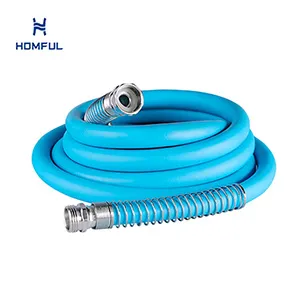
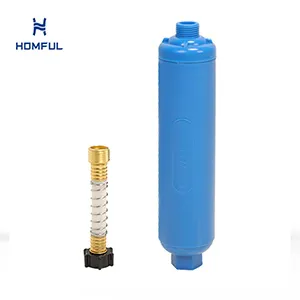
Homful supplies potable-grade OEM/ODM RV fresh water components for RV manufacturers and aftermarket programs, including water hoses and inline water filters. Materials and fittings are chosen for taste/odor neutrality and pressure stability, with customizable lengths, filter media, branding, and retail packaging to buyer specifications.
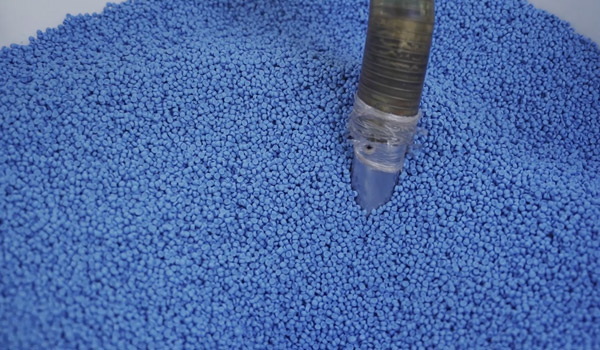
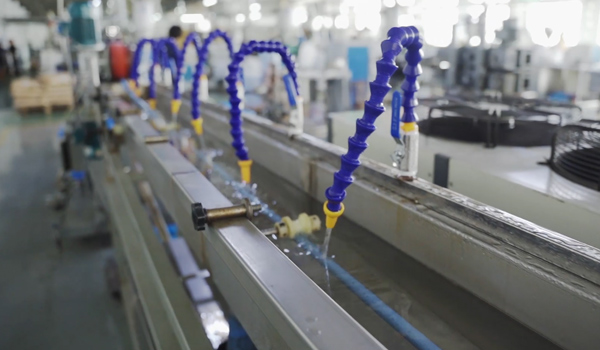
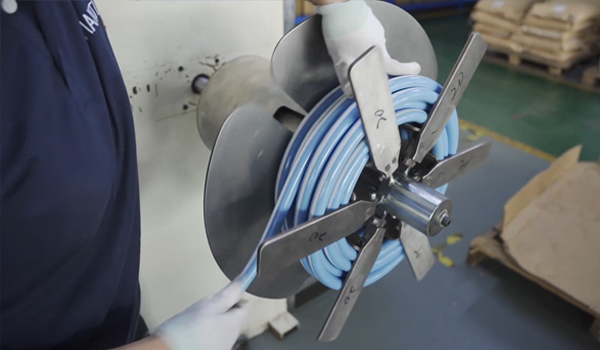
1. Injection molding and melting 2. Cooling and Shaping 3. Wrapping and Packaging
 |
 |
 |
| RV Water Hose FAQ | RV Water Filter FAQ |
| Q: How is it different from a regular garden hose? A: It's made of potable water material and features odor control and sealing, making it suitable for connecting to an RV's drinking water system. Q: Can it be used in winter? A: See the specifications for the low-temperature range. In freezing areas, we recommend using insulation/heating solutions or draining and storing after use. Q: Where do leaks most often occur? A: Mostly in joints and gaskets. Regularly inspecting and replacing gaskets can significantly reduce leaks. |
Q: How often should the filter be replaced? A: It depends on water quality and usage. Replace according to the package instructions or if the water flow slows noticeably or the taste deteriorates. Q: Does it remove all microorganisms? A: This product primarily targets sediment and odors. For higher-level treatment, please inquire about specialized solutions. Q: Will it affect water pressure? A: The pressure drop is manageable within the nominal flow range. A noticeable pressure drop is likely due to a clogged filter or high sediment content in the incoming water. |
RV Water Hose Care & Maintenance |
RV Water Filter Care & Maintenance |
| 1. Rinse for a few seconds before and after use to remove any odor. Drain and dry thoroughly before long-term storage. 2. Regularly inspect gaskets and joints; replace immediately if cracks, bulges, or severe creases are found. 3. Avoid prolonged exposure to sunlight and chemical solvents; do not tie knots when storing. |
1. Replace the filter according to the recommended replacement cycle; drain and remove the filter element when not in use or during winterization. 2. Flush or backflush regularly (if supported) to prevent clogging. 3. Avoid prolonged exposure to sunlight and high temperatures. Ensure the seals are intact and apply a small amount of food-grade grease (if applicable). |
If you still can't find what you're looking for, please contact us with more details so that we can provide you with a suitable solution.
Thank you for visiting us. Please leave a message and we will reply by email.
Thank you for contacting us. We will reply to you as soon as one of our agents is available
Close this Window